Showing posts with label argentina. Show all posts
Showing posts with label argentina. Show all posts
Thursday, August 30, 2007
Beautiful Pictures From Mendoza
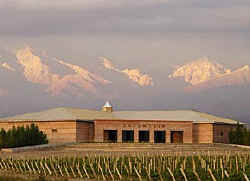
As summer winds down in the northern hemisphere, Argentines are waiting for spring's arrival. Earlier today Michael from the Vines of Mendoza posted some breathtaking pictures from their new vineyard in Valle de Uco. Check them out here: Photos from the Valle de Uco.


Tuesday, August 21, 2007
Argentina Featured on Wine Library TV
The always entertaining Gary Vaynerchuk featured Argentine wines and Malbec on his popular Wine Library TV yesterday. For the English-language readers, it's worth a look.
"Argentina and Those Pesky Malbecs." By Gary Vaynerchuk. Wine Library TV. August 20, 2007.
"Argentina and Those Pesky Malbecs." By Gary Vaynerchuk. Wine Library TV. August 20, 2007.
Friday, August 03, 2007
Jancis Robinson Escribe sobre el vino de Chile y Argentina
This article is also available in English.
Una periodista de vino en Inglaterra escribió un artículo excepcional sobre la industria vitivinícola en la Argentina en la edición de hoy en el San Francisco Chronicle. Además, ella tiene una guia sofisticada sobre la cosecha de 2007 en su sitio del web.
Articulo: “Argentina's and Chile's wines are earning global kudos and fans.” Por Jancis Robinson. San Francisco Chronicle. 3 de agosto, 2007.
Sitio del Web: “Argentina: A Bluffer’s Guide.” Por Tim Johns de Wine of Argentina y publicado por Jancis Robinson.
Una periodista de vino en Inglaterra escribió un artículo excepcional sobre la industria vitivinícola en la Argentina en la edición de hoy en el San Francisco Chronicle. Además, ella tiene una guia
sofisticada sobre la cosecha de 2007 en su sitio del web.Articulo: “Argentina's and Chile's wines are earning global kudos and fans.” Por Jancis Robinson. San Francisco Chronicle. 3 de agosto, 2007.
Sitio del Web: “Argentina: A Bluffer’s Guide.” Por Tim Johns de Wine of Argentina y publicado por Jancis Robinson.
Jancis Robinson on Argentine Wine
U.K. based wine writer Jancis Robinson has an exceptional article on the Argentine and Chilean wine industries in today’s San Francisco Chronicle. In addition, she has an in-depth guide to the 2007 vintage on her website.
Article: “Argentina's and Chile's wines are earning global kudos and fans.” By Jancis Robinson. San Francisco Chronicle. August 3, 2007.
Website: “Argentina: A Bluffer’s Guide.” By Tim Johns of Wine of Argentina and published by Jancis Robinson.
Article: “Argentina's and Chile's wines are earning global kudos and fans.” By Jancis Robinson. San Francisco Chronicle. August 3, 2007.
Website: “Argentina: A Bluffer’s Guide.” By Tim Johns of Wine of Argentina and published by Jancis Robinson.
Wednesday, August 01, 2007
Kirchner Succeeds in Mexico
Esta entrada escrita en castellano viene próximamente.
So Argentine President Nestor Kirchner’s visit to Mexico earlier this week to fortify economic ties has produced at least one key agreement. Mexico will lower wine tariffs and in turn will receive “scientific and technological assistance” from Argentine enologists. Although I’ve written at length about the rapid increase in the consumption of Argentine wine in the U.S. over the past couple of months, “vino argentino” has also made a lot of progress throughout the Americas.
As reported in the Mendoza-based newspaper Los Andes (and later posted on the “El Malbec” blog), Argentina is now the leading wine exporter to Brazil. Having recently overcome competitors in Europe and Chile, Argentina and Brazil are working hand-in-hand to promote wine consumption in the country of 150 million people. Brazil’s current wine consumption is an extremely low 1.8 liters per person each year. Similar to the 2003 PEVI Law passed in Argentina intended to increase wine exports and reinvigorate the industry after having suffered setbacks for decades, Brazil is looking for a federally funded program to further develop their own budding wine industry as well as grow the domestic consumption rate.
As Juan Carlos Pina, the director of Wine Cellars of Argentina and one of the members of a recent Argentine delegation sent to Brazil said, “We are working together [with the Brazilians]. If we can increase consumption to one liter more per capita annually in Brazil, Argentina will also benefit.”
Source: "Argentina ya es el primer exportador de vinos a Brasil." June 28, 2007. Los Andes. By Luis Fermosel.
So Argentine President Nestor Kirchner’s visit to Mexico earlier this week to fortify economic ties has produced at least one key agreement. Mexico will lower wine tariffs and in turn will receive “scientific and technological assistance” from Argentine enologists. Although I’ve written at length about the rapid increase in the consumption of Argentine wine in the U.S. over the past couple of months, “vino argentino” has also made a lot of progress throughout the Americas.
As reported in the Mendoza-based newspaper Los Andes (and later posted on the “El Malbec” blog), Argentina is now the leading wine exporter to Brazil. Having recently overcome competitors in Europe and Chile, Argentina and Brazil are working hand-in-hand to promote wine consumption in the country of 150 million people. Brazil’s current wine consumption is an extremely low 1.8 liters per person each year. Similar to the 2003 PEVI Law passed in Argentina intended to increase wine exports and reinvigorate the industry after having suffered setbacks for decades, Brazil is looking for a federally funded program to further develop their own budding wine industry as well as grow the domestic consumption rate.
As Juan Carlos Pina, the director of Wine Cellars of Argentina and one of the members of a recent Argentine delegation sent to Brazil said, “We are working together [with the Brazilians]. If we can increase consumption to one liter more per capita annually in Brazil, Argentina will also benefit.”
Source: "Argentina ya es el primer exportador de vinos a Brasil." June 28, 2007. Los Andes. By Luis Fermosel.
Wednesday, July 25, 2007
An Interview with Federico Kunz, Director of Wine of Mendoza
(Para leer esta nota en castellano, haga clic aquí)
The other day I had the great joy of interviewing one of the many young entrepreneurs in the Argentine wine industry. His name is Federico Kunz and he is the founder and current director of Wine of Mendoza, a company that offers a variety of services to the wine sector.

Please describe to the readers a little bit about yourself. What region in Argentina are you from? How many years have you spent in the wine industry? Do you come from a background in which wine played an important role?
My name is Federico Kunz and I was born in Buenos Aires on November 26, 1976. That makes me 30 years old. Three years ago I moved to Mendoza when I married my wife, Eugenia, who was born in Mendoza. Currently, we both are linked to the wine industry in distinct ways. She focuses on the wine tourism aspect while I work on the commercial end of the industry. Before working in the wine industry, I occupied a position in the banking sector as an internal auditor. And yes, wine was always an important part of my family, but the passion for this beverage began with my arrival to Mendoza.
What did you study? What was your major?
I received a degree in Tourism after which I began to study Business Adminsitration at the University of Buenos Aires, which I didn’t end up finishing. As far as wine, I really learned a lot by visiting wineries and asking everything I could think of, and of course trying a lot of different wines.
How did your passion for wine really begin?
When I arrived in Mendoza I had the opportunity to visit a lot of wineries, from the smallest which we call “boutiques” to the most industrial, and even to the most traditional. Each winery makes wine in a distinct way with its own methods and patterns. At the beginning, that’s what really grabbed my attention. After having the chance to try and taste distinct varietals combined with the discovery of the different methods of making the wine, I really became passionate about this new world that had been opened up to me.
When did you start Wine of Mendoza and with what objectives?
Wine of Mendoza was born two years ago with the objective of being a specialized business in the Mendoza wine region as well as in all of Argentina. We wanted to be well-known, valued, and chosen by the domestic and international markets as a trustworthy, competitive, and innovative provider of wines. In short, we wanted to provide service that was founded on a quality product and high standards. Finally, our main goal is to sustain our clear and consist philosophy: shorten the distance between the producer of wine and its consumer.
A large part of the expansion of the wine industry has come in the export market. Are you hoping to develop the international part of your business or focus on the domestic market?
The external market is something that we are currently trying to better develop. Since the beginning of this year we have been allotting resources so as to focus more on the export sector and to be able to reach the rest of the world. We are currently working with FedEx, DHL, and TNT in order to send bottles to other parts of the world. In addition, we are making a lot of connections through the international tourists that visit Mendoza and other regions of Argentina such as Patagonia.
You are part of the new generation of entrepreneurs in the Argentine wine industry. What differences are there between the older generations and your generation?
I believe the fundamental difference is service. People are talking more about the service that comes with a product. Our company not only provides products but we also offer services: we prepare, we recommend, and we adjust wine lists for restaurants, and we even create wine tastings according to the tastes of each client. We are constantly providing service to our clients. We are always seeking to provide more value to what we currently do. Although the consumption per person in Argentina has gone down, the quality of the wine that is consumed has gone up, and thus we have to pay attention to this trend and add value and service to these products.
Are you guys, and when I say “guys” I’m referring to this new generation, more optimistic due to the growth of the wine industry during the past 10 years than the older generations that have experienced several crises?
During the last 10 years Argentina has grown in the wine sector, which is mainly due to the monetary policy that we had until 2001 that helped the wine industry expand to other markets and make important technological advances. I believe that today the industry continues to grow thanks to favorable circumstances in the current economy, in particular the exchange rate, but also the quality that Argentina has achieved in its products and the place that it has earned in the external market.
How does the unstable macroeconomic history of Argentina affect your outlook towards the future?
I’m not afraid of falling into another financial crisis similar to what has happened in the past. I know that it is especially prudent to plan sometimes and one form to protect against another crisis, as I mentioned earlier, is to set aside as many resources to the international market as the domestic market.
Picture: Federico with his wife Marie Eugenia Rodriguez who co-owns the tourist agency Aventura Wine in Mendoza.
More information on Wine of Mendoza can be found on their website at: http://www.wineofmendoza.com/.
The other day I had the great joy of interviewing one of the many young entrepreneurs in the Argentine wine industry. His name is Federico Kunz and he is the founder and current director of Wine of Mendoza, a company that offers a variety of services to the wine sector.

Please describe to the readers a little bit about yourself. What region in Argentina are you from? How many years have you spent in the wine industry? Do you come from a background in which wine played an important role?
My name is Federico Kunz and I was born in Buenos Aires on November 26, 1976. That makes me 30 years old. Three years ago I moved to Mendoza when I married my wife, Eugenia, who was born in Mendoza. Currently, we both are linked to the wine industry in distinct ways. She focuses on the wine tourism aspect while I work on the commercial end of the industry. Before working in the wine industry, I occupied a position in the banking sector as an internal auditor. And yes, wine was always an important part of my family, but the passion for this beverage began with my arrival to Mendoza.
What did you study? What was your major?
I received a degree in Tourism after which I began to study Business Adminsitration at the University of Buenos Aires, which I didn’t end up finishing. As far as wine, I really learned a lot by visiting wineries and asking everything I could think of, and of course trying a lot of different wines.
How did your passion for wine really begin?
When I arrived in Mendoza I had the opportunity to visit a lot of wineries, from the smallest which we call “boutiques” to the most industrial, and even to the most traditional. Each winery makes wine in a distinct way with its own methods and patterns. At the beginning, that’s what really grabbed my attention. After having the chance to try and taste distinct varietals combined with the discovery of the different methods of making the wine, I really became passionate about this new world that had been opened up to me.
When did you start Wine of Mendoza and with what objectives?

Wine of Mendoza was born two years ago with the objective of being a specialized business in the Mendoza wine region as well as in all of Argentina. We wanted to be well-known, valued, and chosen by the domestic and international markets as a trustworthy, competitive, and innovative provider of wines. In short, we wanted to provide service that was founded on a quality product and high standards. Finally, our main goal is to sustain our clear and consist philosophy: shorten the distance between the producer of wine and its consumer.
A large part of the expansion of the wine industry has come in the export market. Are you hoping to develop the international part of your business or focus on the domestic market?
The external market is something that we are currently trying to better develop. Since the beginning of this year we have been allotting resources so as to focus more on the export sector and to be able to reach the rest of the world. We are currently working with FedEx, DHL, and TNT in order to send bottles to other parts of the world. In addition, we are making a lot of connections through the international tourists that visit Mendoza and other regions of Argentina such as Patagonia.
You are part of the new generation of entrepreneurs in the Argentine wine industry. What differences are there between the older generations and your generation?
I believe the fundamental difference is service. People are talking more about the service that comes with a product. Our company not only provides products but we also offer services: we prepare, we recommend, and we adjust wine lists for restaurants, and we even create wine tastings according to the tastes of each client. We are constantly providing service to our clients. We are always seeking to provide more value to what we currently do. Although the consumption per person in Argentina has gone down, the quality of the wine that is consumed has gone up, and thus we have to pay attention to this trend and add value and service to these products.
Are you guys, and when I say “guys” I’m referring to this new generation, more optimistic due to the growth of the wine industry during the past 10 years than the older generations that have experienced several crises?
During the last 10 years Argentina has grown in the wine sector, which is mainly due to the monetary policy that we had until 2001 that helped the wine industry expand to other markets and make important technological advances. I believe that today the industry continues to grow thanks to favorable circumstances in the current economy, in particular the exchange rate, but also the quality that Argentina has achieved in its products and the place that it has earned in the external market.
How does the unstable macroeconomic history of Argentina affect your outlook towards the future?
I’m not afraid of falling into another financial crisis similar to what has happened in the past. I know that it is especially prudent to plan sometimes and one form to protect against another crisis, as I mentioned earlier, is to set aside as many resources to the international market as the domestic market.
Picture: Federico with his wife Marie Eugenia Rodriguez who co-owns the tourist agency Aventura Wine in Mendoza.
More information on Wine of Mendoza can be found on their website at: http://www.wineofmendoza.com/.
Monday, July 23, 2007
Una Entrevista con Federico Kunz, Director de Wine of Mendoza
To read this interview in English, click here.
Yo tenía el placer de entrevistar unos de los empresarios jóvenes en la industria vitivinícola en la Argentina. Mi huésped fue Federico Kunz, fundador y director de Wine of Mendoza, una empresa que brinda varios servicios en el sector de vino. Espero que disfruten la entrevista.
Por favor describa un poco sobre sus datos personales. ¿De que región en la Argentina viene? ¿Cuantos años hace que está en la industria del vino? ¿Viene de una familia con una tradición en la industria vitivinícola?
Mi nombre es Federico Kunz, Argentino nacido en Buenos Aires el 26 de noviembre de 1976. Tengo 30 años. Me mudé a Mendoza hace 3 años cuando me casé con Eugenia, mi esposa que es nacida en esta Ciudad. Actualmente, los dos trabajamos vinculados a la industria del vino, ella desde turismo vitivinícola y yo por medio de la comercialización de vino. Antes de pertenecer a esta industria, me desempeñaba en una Empresa Bancaria como Auditor Interno. Si bien en mi casa siempre se consumió vino, la pasión por esta bebida comenzó con mi llegada a Mendoza.

¿Cuales son sus estudios? ¿En que carrera se especializó?
Soy Licenciado en Turismo y luego estudié administración de Empresas en la Universidad de Buenos Aires, carrera que no terminé. En materia vitivinícola, aprendí mucho visitando las bodegas, preguntando todo y degustando mucho.
¿Cómo empezó su pasión por el vino?
A mí llegada a Mendoza, tuve la oportunidad de visitar gran cantidad de Bodegas, de las mas pequeñas llamadas también boutiques y de las mas industriales como también tradicionales. Cada bodega elabora de una forma diferente, tiene sus métodos y tendencias, eso es lo que mas me atrapó en un principio. Luego la oportunidad de probar y degustar distintas variedades, formas de elaboración, tendencias y distintos vinos es lo que hizo apasionante el descubrimiento constante de este nuevo mundo.
¿Cuando fundó Wine of Mendoza y con que objetivos?
Wine of Mendoza nace hace dos años con el objetivo de ser una empresa especializada en vinos de Mendoza y de toda la Argentina. Ser reconocidos, valorados y seleccionados por el mercado interno y externo como un proveedor confiable, competitivo e innovador, en la comercialización de vinos de Mendoza, brindando soluciones en nuestro servicio, basados en productos y estándares de calidad. Y lo principal, sostener nuestra clara y consistente filosofía; Acortar la distancia entre el vino y su consumidor.
Una gran parte del crecimiento en la industria ha sido en el sector externo. ¿Espera usted expandirse en el sector externo o enfocar a Wine of Mendoza en la demanda interna?
Es algo pendiente que estamos en estos momentos desarrollando mejor. A partir de este año estamos destinando recursos para poder enfocarnos en el sector externo y poder llegar a todos los países del mundo. Estamos trabajando actualmente con FEDEX, DHL Y TNT para el envío de las botellas a otras partes del mundo. Además estamos en contacto con los turistas extranjeros que visitan Mendoza y otros puntos de la Argentina como La Patagonia.
Usted forma parte de una nueva generación de empresarios en la industria vitivinícola en la Argentina. ¿Qué diferencias hay entre otras generaciones de empresarios y usted?
Creo que fundamentalmente nos diferencia el servicio. Actualmente se habla mas de servicio acompañando al producto. Nosotros brindamos no solo productos en nuestra empresa sino que además somos una empresa de servicios, capacitamos, recomendamos, adaptamos cartas de vino a restaurantes, confeccionamos cavas según los gustos de cada cliente. Brindamos constantemente un servicio a nuestros clientes. Estamos en constante búsqueda de brindar un valor agregado a lo que hacemos. Si bien el consumo por persona en la argentina ha disminuido, por otra parte ha aumentado la calidad del vino que se consume, por lo tanto tenemos que prestar atención en ello y agregar valor y servicio a esos productos.
¿Ustedes son mucho más optimistas debido al crecimiento de la industria durante los 10 años pasados que las generaciones más viejas que experimentaron varias crisis?
En los últimos 10 años Argentina ha crecido notoriamente en el aspecto vitivinícola, la salida de la paridad monetaria que teníamos hasta el año 2001 ayudó a que la industria vitivinícola haga un salto hacia otros mercados y junto con ello un salto tecnológico importante. Yo creo que hoy la industria continúa creciendo favorecida a circunstancias de la economía actual, el tipo de cambio pero particularmente por la calidad que argentina ha logrado en sus productos y el lugar que ha ganado en el mercado externo.
¿Cómo afecta la historia de una macroeconomía inestable en la Argentina cuando un empresario como usted planea para el futuro?
No me siento afectado o con miedo a caer en alguna crisis financiera similar a las pasadas. Sí se planifica o se es más precavido en algunas acciones. Una forma de estar cubierto con ello es, como comentaba antes, destinar recursos tanto al mercado interno como al mercado externo.
Imagen: Federico con su esposa Maria Eugenia Rodríguez, que es la co-dueña de Aventura Wine en Mendoza.
Mas información sobre Wine of Mendoza puede ser encontrado en WineofMendoza.com.
Yo tenía el placer de entrevistar unos de los empresarios jóvenes en la industria vitivinícola en la Argentina. Mi huésped fue Federico Kunz, fundador y director de Wine of Mendoza, una empresa que brinda varios servicios en el sector de vino. Espero que disfruten la entrevista.
Por favor describa un poco sobre sus datos personales. ¿De que región en la Argentina viene? ¿Cuantos años hace que está en la industria del vino? ¿Viene de una familia con una tradición en la industria vitivinícola?
Mi nombre es Federico Kunz, Argentino nacido en Buenos Aires el 26 de noviembre de 1976. Tengo 30 años. Me mudé a Mendoza hace 3 años cuando me casé con Eugenia, mi esposa que es nacida en esta Ciudad. Actualmente, los dos trabajamos vinculados a la industria del vino, ella desde turismo vitivinícola y yo por medio de la comercialización de vino. Antes de pertenecer a esta industria, me desempeñaba en una Empresa Bancaria como Auditor Interno. Si bien en mi casa siempre se consumió vino, la pasión por esta bebida comenzó con mi llegada a Mendoza.

¿Cuales son sus estudios? ¿En que carrera se especializó?
Soy Licenciado en Turismo y luego estudié administración de Empresas en la Universidad de Buenos Aires, carrera que no terminé. En materia vitivinícola, aprendí mucho visitando las bodegas, preguntando todo y degustando mucho.
¿Cómo empezó su pasión por el vino?
A mí llegada a Mendoza, tuve la oportunidad de visitar gran cantidad de Bodegas, de las mas pequeñas llamadas también boutiques y de las mas industriales como también tradicionales. Cada bodega elabora de una forma diferente, tiene sus métodos y tendencias, eso es lo que mas me atrapó en un principio. Luego la oportunidad de probar y degustar distintas variedades, formas de elaboración, tendencias y distintos vinos es lo que hizo apasionante el descubrimiento constante de este nuevo mundo.
¿Cuando fundó Wine of Mendoza y con que objetivos?
Wine of Mendoza nace hace dos años con el objetivo de ser una empresa especializada en vinos de Mendoza y de toda la Argentina. Ser reconocidos, valorados y seleccionados por el mercado interno y externo como un proveedor confiable, competitivo e innovador, en la comercialización de vinos de Mendoza, brindando soluciones en nuestro servicio, basados en productos y estándares de calidad. Y lo principal, sostener nuestra clara y consistente filosofía; Acortar la distancia entre el vino y su consumidor.
Una gran parte del crecimiento en la industria ha sido en el sector externo. ¿Espera usted expandirse en el sector externo o enfocar a Wine of Mendoza en la demanda interna?
Es algo pendiente que estamos en estos momentos desarrollando mejor. A partir de este año estamos destinando recursos para poder enfocarnos en el sector externo y poder llegar a todos los países del mundo. Estamos trabajando actualmente con FEDEX, DHL Y TNT para el envío de las botellas a otras partes del mundo. Además estamos en contacto con los turistas extranjeros que visitan Mendoza y otros puntos de la Argentina como La Patagonia.
Usted forma parte de una nueva generación de empresarios en la industria vitivinícola en la Argentina. ¿Qué diferencias hay entre otras generaciones de empresarios y usted?
Creo que fundamentalmente nos diferencia el servicio. Actualmente se habla mas de servicio acompañando al producto. Nosotros brindamos no solo productos en nuestra empresa sino que además somos una empresa de servicios, capacitamos, recomendamos, adaptamos cartas de vino a restaurantes, confeccionamos cavas según los gustos de cada cliente. Brindamos constantemente un servicio a nuestros clientes. Estamos en constante búsqueda de brindar un valor agregado a lo que hacemos. Si bien el consumo por persona en la argentina ha disminuido, por otra parte ha aumentado la calidad del vino que se consume, por lo tanto tenemos que prestar atención en ello y agregar valor y servicio a esos productos.
¿Ustedes son mucho más optimistas debido al crecimiento de la industria durante los 10 años pasados que las generaciones más viejas que experimentaron varias crisis?
En los últimos 10 años Argentina ha crecido notoriamente en el aspecto vitivinícola, la salida de la paridad monetaria que teníamos hasta el año 2001 ayudó a que la industria vitivinícola haga un salto hacia otros mercados y junto con ello un salto tecnológico importante. Yo creo que hoy la industria continúa creciendo favorecida a circunstancias de la economía actual, el tipo de cambio pero particularmente por la calidad que argentina ha logrado en sus productos y el lugar que ha ganado en el mercado externo.
¿Cómo afecta la historia de una macroeconomía inestable en la Argentina cuando un empresario como usted planea para el futuro?
No me siento afectado o con miedo a caer en alguna crisis financiera similar a las pasadas. Sí se planifica o se es más precavido en algunas acciones. Una forma de estar cubierto con ello es, como comentaba antes, destinar recursos tanto al mercado interno como al mercado externo.
Imagen: Federico con su esposa Maria Eugenia Rodríguez, que es la co-dueña de Aventura Wine en Mendoza.
Mas información sobre Wine of Mendoza puede ser encontrado en WineofMendoza.com.
Sunday, July 08, 2007
Turismo de aventura en Mendoza
(To read this post in English, click here)
Mis entradas recientes sobre la Microcervecería Jerome en Potrerillos, Mendoza y la entrada sobre el turismo lujoso de vino me hicieron pensar sobre mis experiencias de turismo de aventura en Mendoza. Aunque supongo que el enófilo promedio no busca la aventura extrema, hay algo para todos.
Si tenés cuatro días en Mendoza, tal vez te gustarías descansar de las visitas a las bodegas por un día con un día de diversión en los Andes. Las montanas son espectaculares en Mendoza y el viaje tendrá muchas vistas divinas. He tenido la oportunidad de ir a Potrerillos en tres distintas ocasiones: dos veces para hacer mountain bike y una vez para hacer rafting.
En octubre de 2005 fui a Argentina Rafting en un colectivo que salió del terminal de ómnibus que es un camino un poco largo del centro de Mendoza. El colectivo fue muy barato (¿diez pesos?) y nos llevó a Potrerillos a la entrada de Argentina Rafting. En diciembre de 2006 fui con mi hermano que pagó por el viaje así que fuimos en el bus que proviene Argentina Rafting. El viaje cuesta $27 pesos pero vale la pena si no querés ir en colectivo común. También es una experiencia mas autentica para ir en el colectivo con otros argentinos en comparación con el bus de la empresa donde hay muchos extranjeros.
Después de un viaje de una hora y media, podés inscribirte en varias actividades. La mayoría de las actividades ocurren dos veces cada día dependiendo en la demanda. Si queres ir durante la mañana deberías llegar antes de las 9. También podés hacer excursiones que duran varios días y ofrecen varias actividades. Podés escoger entre rafting, kayak (aunque necesitas hacer un curso si no tenés experiencia), trekking, mountain bike, cabalgatas, canopy, y hidrospeed. Cada aventura cuesta cerca de sesenta pesos por la mañana.
El viaje de rafting fue unos de las cosas mas divertidas que he hecho. Nunca había hecho el rafting y he estado intentado hacerlo nuevamente desde el momento que salí la balsa. El río no es peligroso (ellos te dan un casco y un chaleco salvavidas) pero fue bastante rápido para ser divertido. Solo caímos una vez pero pudimos subir la balsa sin problema. Hay un fotógrafo para sacar fotos por todo el viaje y podés comprar un disco compacto con todas las fotos después de la excursión. Las guías conocen muy bien el río y aseguran que te diviertes. Hay bastante tiempo para charlar durante el viaje y hice amigos con dos médicos de la provincia de Buenos Aires.
Las dos otras excursiones que hice consistió de mucho ejercicio en la excusión de mountain bike. La pri mera vez fui solo en un sábado. Estaba en un grupo de diez personas. Me divertí mucho y me ejercí bastante – estaba buscando un poco de entrenamiento. Diría que deberías estar en bastante buena forma para hacer mountain bike, aunque el curso no es muy difícil para un novato. La segunda vez que fui, yo estaba con mi hermano y fuimos solos con la guía. El guía cambió el curso un poco para retarnos un poco. Pudimos descansar cuando queríamos. Sugiero que vayas en un día de la semana para tener una experiencia personal.
Para concluir, tenia tres viajes fantásticos a Potrerillos. Un día de aventura en los Andes es una manera de ver las montanas especulares y perder un poco del peso que ganas después de comer tanta comida rica en la ciudad de Mendoza.
Mis entradas recientes sobre la Microcervecería Jerome en Potrerillos, Mendoza y la entrada sobre el turismo lujoso de vino me hicieron pensar sobre mis experiencias de turismo de
 aventura en Mendoza. Aunque supongo que el enófilo promedio no busca la aventura extrema, hay algo para todos.
Si tenés cuatro días en Mendoza, tal vez te gustarías descansar de las visitas a las bodegas por un día con un día de diversión en los Andes. Las montanas son espectaculares en Mendoza y el viaje tendrá muchas vistas divinas. He tenido la oportunidad de ir a Potrerillos en tres distintas ocasiones: dos veces para hacer mountain bike y una vez para hacer rafting.
En octubre de 2005 fui a Argentina Rafting en un colectivo que salió del terminal de ómnibus que es un camino un poco largo del centro de Mendoza. El colectivo fue muy barato (¿diez pesos?) y nos llevó a Potrerillos a la entrada de Argentina Rafting. En diciembre de 2006 fui con mi hermano que pagó por el viaje así que fuimos en el bus que proviene Argentina Rafting. El viaje cuesta $27 pesos pero vale la pena si no querés ir en colectivo común. También es una experiencia mas autentica para ir en el colectivo con otros argentinos en comparación con el bus de la empresa donde hay muchos extranjeros.
Después de un viaje de una hora y media, podés inscribirte en varias actividades. La mayoría de las actividades ocurren dos veces cada día dependiendo en la demanda. Si queres ir durante la mañana deberías llegar antes de las 9. También podés hacer excursiones que duran varios días y ofrecen varias actividades. Podés escoger entre rafting, kayak (aunque necesitas hacer un curso si no tenés experiencia), trekking, mountain bike, cabalgatas, canopy, y hidrospeed. Cada aventura cuesta cerca de sesenta pesos por la mañana.
El viaje de rafting fue unos de las cosas mas divertidas que he hecho. Nunca había hecho el rafting y he estado intentado hacerlo nuevamente desde el momento que salí la balsa. El río no es peligroso (ellos te dan un casco y un chaleco salvavidas) pero fue bastante rápido para ser divertido. Solo caímos una vez pero pudimos subir la balsa sin problema. Hay un fotógrafo para sacar fotos por todo el viaje y podés comprar un disco compacto con todas las fotos después de la excursión. Las guías conocen muy bien el río y aseguran que te diviertes. Hay bastante tiempo para charlar durante el viaje y hice amigos con dos médicos de la provincia de Buenos Aires.
Las dos otras excursiones que hice consistió de mucho ejercicio en la excusión de mountain bike. La pri
 mera vez fui solo en un sábado. Estaba en un grupo de diez personas. Me divertí mucho y me ejercí bastante – estaba buscando un poco de entrenamiento. Diría que deberías estar en bastante buena forma para hacer mountain bike, aunque el curso no es muy difícil para un novato. La segunda vez que fui, yo estaba con mi hermano y fuimos solos con la guía. El guía cambió el curso un poco para retarnos un poco. Pudimos descansar cuando queríamos. Sugiero que vayas en un día de la semana para tener una experiencia personal.
Para concluir, tenia tres viajes fantásticos a Potrerillos. Un día de aventura en los Andes es una manera de ver las montanas especulares y perder un poco del peso que ganas después de comer tanta comida rica en la ciudad de Mendoza.
Wednesday, July 04, 2007
Adventures Abound in Mendoza
(Para leer esta nota en castellano, haga clic aquí)
My recent posts on the Jerome Microbrewery in Potrerillos, Mendoza and the post on luxury wine tourism made me start to think that I should write on my experience in “adventure tourism” in Mendoza. Although I’m guessing your average oenophile isn’t an adventure seeker, there’s something out there for everyone.
My recent posts on the Jerome Microbrewery in Potrerillos, Mendoza and the post on luxury wine tourism made me start to think that I should write on my experience in “adventure tourism” in Mendoza. Although I’m guessing your average oenophile isn’t an adventure seeker, there’s something out there for everyone.
 If you have four days in Mendoza, you may want to break up your winery visits with a day of fun in the Andes. The mountains are spectacular in Mendoza and just driving through them is fun. I’ve had the chance to go to Potrerillos on three different occasions to twice mountain bike and to go rafting once.
In October, 2005 I headed up to Argentina Rafting on a bus that left the central terminal in Mendoza, which is a bit of a walk outside downtown Mendoza. The bus was extremely cheap (a couple dollars) and it left me off in Potrerillos right in front of Argentina Rafting. In December of 2006 I was with my brother who was paying, so I took the Argentina Rafting bus that picks you up at your hotel. The bus costs an extra US$9 but its definitely worth it if you aren’t very adventurous, don’t want the hassle of getting to the bus station and waiting for the bus, or don’t speak Spanish. If you’re on a tight budget, definitely take the bus from the terminal. It’s also a much more authentic experience (i.e. you won’t be sitting next to other Americans and Brits).
Once you’re at Argentina Rafting you can sign up for a number of different activities. Most activities are done twice a day depending on the demand. If you want to do the morning excursion you should get there before 9. You can also do excursions that last several days and offer a lot of different activities. So you can choose between doing rafting, kayaking (although you will need to do a course there if you aren’t experienced), hiking (known as trekking in Argentina), mountain biking, horseback riding, zip-lining (known as “canopy”) or hidrospeed (you go down the river on some sort of disc). Every activity is really cheap at around US$20 for a half of a day.
The rafting trip was one of the most fun things I’ve ever done. I had never gone rafting and have been trying to go again ever since. The river is not dangerous at all (they provide helmets and life vests) but it is fast enough to be enjoyable. I only fell out once but it was no big deal – I just got back in. They employ a photographer to take pictures all the way down the river which you can buy on a CD at the end for a very low price. The guides are extremely
 knowledgeable and make sure you have a great time. There’s enough time for some chatter on the boat, and I made friends with two doctors from the province of Buenos Aires. I’m quite sure all of the guides speak good enough English to tell you whatever you need to know.
The other two times I went I decided I wanted a workout and went mountain biking. The first time was on a Saturday and was alone, which was fine. I was in a relatively large group of ten. I had a great time and got a good workout. I would say that you should be in decent shape to do the mountain biking, although the course isn’t very challenging at all for a novice. The second time I went I was with my brother and we were alone with the guide. He was great in tailoring the course to challenge us a little bit. We were also able to rest when we wanted to. I would suggest going on a week day to have this kind of an experience.
All in all, I had three great trips up to Potrerillos. A day of “adventure” up in the Andes would be a great way to work off the calories from those gourmet meals you’re having back in Mendoza City.
Thursday, June 28, 2007
El Turismo de Vino en Mendoza
(To read this post in English, click here)
La revista norteamericana Forbes escribe que la elite estadounidense ya no busca lugares tradicionales para las vacaciones como Londres, Paris, Roma, y Hawaii. ¿Dónde van los ricos ahora? ¡Argentina!
“En Argentina, la gente sabia satisface sus deseos enófilos en Mendoza, una región fértil con bodegas que queda dos horas en avión de Buenos Aires. Con la atención internacional que recibe la Argentina sobre su vino y los hoteles lujosas como el Cavas Wine Lodge, que abrió en 2005, que ofrece alojamientos exclusivos, los viajadores concluyen que esta región vale la pena para visitar.”

Los que marcaron las tendencias de visitar la Argentina fueron los enófilos y los “sofistonautas” que ya conocía Napa, California y ya habían visitado a Francia y Italia. La combinación de la devaluación del peso en 2002 y la continuidad de la debilidad del dólar en comparación al euro creó la oportunidad de conocer una parte del mundo desconocido y una región vitivinícola nueva. Los empresarios en Mendoza respondieron a la demanda con alojamientos lujosos hechos para estos sofistonautas.
Muchas turistas de vino que viajan a Mendoza quieren pasar al menos una noche y un día en Buenos Aires. Recomiendo 1555 Malabia House, ubicado en el barrio Palermo Soho, que es muy fashion ahora. Mi hermano quedó allí el diciembre pasado y le encantó. El staff es muy amable, el chef hace lo que quiere para el desayuno cada mañana, se puede caminar a muchos restaurantes muy buenos, y las habitaciones son muy lindas. También, no es muy caro para lo que es – US$140 por una noche.
Si sos un enófilo, tal vez deberías alojarse en la Mansión Vitraux Hotel Boutique y Wine Lounge en el barrio San Telmo. No tengo experiencia personal allí, pero es relativamente nuevo y está en un barrio que está muy cerca de la Plaza de Mayo (Casa Rosada, Banco Central, Catedral, Ministerio de Economía, etc.) y Puerto Madero. También hay algunos restaurantes buenos en San Telmo y el mejor shopping de antigüedades en Buenos Aires.

También, he leído buenas criticas del Bobo (a la derecha), que está en Palermo como 1555 Malabia House.
Para las criticas de restaurantes de Buenos Aires, lea Guía Óleo y si lee ingles, hay un enorme lista de criticas en el blog de Dan Perlman, un dueño norteamericano de un restaurante en Buenos Aires.
Cuando llega a Mendoza después de un vuelo de dos horas desde Buenos Aires, tiene muchas opciones para el alojamiento lujoso. Probablemente el más lujosa afuera de la ciudad de Mendoza es el Cavas Wine Lodge. Pero si no quiere gastar US$300 por cada noche, no vayas a su sitio del web porque la tentación de hacer una reservación será muy fuerte. Hay una bodega en el lodge y las habitaciones tienen una vista hermosa de los Andes. Parece espectacular.
Un sitio bueno para buscar lugares para alojarse es BestOfMendoza.com. Este sitio es una colección de hoteles, bodegas, y restaurantes de primera categoría. No va a equivocarse con lugares que están en su sitio.
Para concluir, aquí es un resumen de algunos de los lugares de “Best of Mendoza.”
Hotel Piscis Las Leñas
Si te gusta esquiar y vivís en el hemisferio norte, ven en el Julio para disfrutarse en los Andes.
Estancia Rancho’e Cuero
Si querés ser un gaucho durante el día pero vivir en la modernidad, este estancia es para vos.
Bodega Salentein
Para los que quieren dormir al lado de la vid.
Park Hyatt Mendoza
Ubicado en la ciudad de Mendoza, no podés equivocarte en este hotel glamoroso (foto abajo).
Articulo: "Status-Symbol Trips." Por Shivani Vora. Forbes.com. 23 de mayo, 2007.
La revista norteamericana Forbes escribe que la elite estadounidense ya no busca lugares tradicionales para las vacaciones como Londres, Paris, Roma, y Hawaii. ¿Dónde van los ricos ahora? ¡Argentina!
“En Argentina, la gente sabia satisface sus deseos enófilos en Mendoza, una región fértil con bodegas que queda dos horas en avión de Buenos Aires. Con la atención internacional que recibe la Argentina sobre su vino y los hoteles lujosas como el Cavas Wine Lodge, que abrió en 2005, que ofrece alojamientos exclusivos, los viajadores concluyen que esta región vale la pena para visitar.”

Los que marcaron las tendencias de visitar la Argentina fueron los enófilos y los “sofistonautas” que ya conocía Napa, California y ya habían visitado a Francia y Italia. La combinación de la devaluación del peso en 2002 y la continuidad de la debilidad del dólar en comparación al euro creó la oportunidad de conocer una parte del mundo desconocido y una región vitivinícola nueva. Los empresarios en Mendoza respondieron a la demanda con alojamientos lujosos hechos para estos sofistonautas.
Muchas turistas de vino que viajan a Mendoza quieren pasar al menos una noche y un día en Buenos Aires. Recomiendo 1555 Malabia House, ubicado en el barrio Palermo Soho, que es muy fashion ahora. Mi hermano quedó allí el diciembre pasado y le encantó. El staff es muy amable, el chef hace lo que quiere para el desayuno cada mañana, se puede caminar a muchos restaurantes muy buenos, y las habitaciones son muy lindas. También, no es muy caro para lo que es – US$140 por una noche.
Si sos un enófilo, tal vez deberías alojarse en la Mansión Vitraux Hotel Boutique y Wine Lounge en el barrio San Telmo. No tengo experiencia personal allí, pero es relativamente nuevo y está en un barrio que está muy cerca de la Plaza de Mayo (Casa Rosada, Banco Central, Catedral, Ministerio de Economía, etc.) y Puerto Madero. También hay algunos restaurantes buenos en San Telmo y el mejor shopping de antigüedades en Buenos Aires.

También, he leído buenas criticas del Bobo (a la derecha), que está en Palermo como 1555 Malabia House.
Para las criticas de restaurantes de Buenos Aires, lea Guía Óleo y si lee ingles, hay un enorme lista de criticas en el blog de Dan Perlman, un dueño norteamericano de un restaurante en Buenos Aires.
Cuando llega a Mendoza después de un vuelo de dos horas desde Buenos Aires, tiene muchas opciones para el alojamiento lujoso. Probablemente el más lujosa afuera de la ciudad de Mendoza es el Cavas Wine Lodge. Pero si no quiere gastar US$300 por cada noche, no vayas a su sitio del web porque la tentación de hacer una reservación será muy fuerte. Hay una bodega en el lodge y las habitaciones tienen una vista hermosa de los Andes. Parece espectacular.
Un sitio bueno para buscar lugares para alojarse es BestOfMendoza.com. Este sitio es una colección de hoteles, bodegas, y restaurantes de primera categoría. No va a equivocarse con lugares que están en su sitio.
Para concluir, aquí es un resumen de algunos de los lugares de “Best of Mendoza.”
Hotel Piscis Las Leñas
Si te gusta esquiar y vivís en el hemisferio norte, ven en el Julio para disfrutarse en los Andes.
Estancia Rancho’e Cuero
Si querés ser un gaucho durante el día pero vivir en la modernidad, este estancia es para vos.
Bodega Salentein
Para los que quieren dormir al lado de la vid.
Park Hyatt Mendoza
Ubicado en la ciudad de Mendoza, no podés equivocarte en este hotel glamoroso (foto abajo).

Articulo: "Status-Symbol Trips." Por Shivani Vora. Forbes.com. 23 de mayo, 2007.
Wine Tourism in Mendoza
(Para leer esta nota en castellano, haga clic aquí)
Forbes Magazine claims that the “American elite” no longer are seeking to go to the traditional vacation spots (London, Paris, Rome, Hawaii). So where are they going now? Argentina!
“In Argentina, the cognoscenti indulge their oenophile instincts in Mendoza, a vineyard-rich region about two hours by plane from Buenos Aires. With Argentina's wine receiving international attention and luxury hotels like Cavas Wine Lodge, which opened in late 2005, offering upscale accommodations, travelers are finding this a worthwhile region to visit.”
The trend-setters were of course the oenophiles and “sophistonauts” who already knew Napa like the back of their hand and had been to France and Italy. The combination of the peso’s devaluation in 2002 and the dollar’s continued weakness in comparison to the euro has created the opportunity to get to know a new part of the world and a new wine region. Entrepreneurs in Mendoza have responded with more upscale accommodations tailored to the sophistonauts. The Forbes article mentions Cavas Wine Lodge, but I thought I’d mention a few others that offer a luxury experience.
 Most wine tourists who travel to Mendoza want to spend a couple days in Buenos Aires. I can highly recommend 1555 Malabia House (pictured at the left), located in the trendy Palermo SoHo neighborhood. My brother stayed there last December and absolutely loved it. The staff is extremely friendly, breakfast is made to order every morning, it is within walking distance of a lot of great restaurants, and the rooms are very nice. It is also an excellent deal, with their smallest rooms going for US$140 a night.
If you’re an oenophile, you might want to try the Mansión Vitraux boutique hotel and wine lounge in San Telmo. I don’t have any personal experience with it, but its relatively new and is in a neighborhood that is within walking distance to the Plaza de Mayo (home to the Casa Rosada, the Central Bank, the Economic Ministry, the original town hall, etc). There are also some good restaurants in San Telmo and the best antique shopping in Buenos Aires.
One other boutique hotel I’ve heard good things about is Bobo, which, like 1555 Malabia House, is in Palermo.
For the most comprehensive English-language restaurant reviews in Buenos Aires, check out Dan Perlman’s Saltshaker blog. In addition to running one of the new family-style, closed-door restaurants, he is also a sommelier, which is evident in his reviews.
Once you get to Mendoza after the two hour flight, you have a number of options. The most luxurious is the aforementioned Cavas Wine Lodge (pictured at the right). If you aren’t willing to spend 300 dollars a night for a double, don’t go to their website because you will be tempted to make a reservation. There is a vineyard on site and rooms overlook the Andes. It looks spectacular.
A good website to check out is BestOfMendoza.com. This is a collection of high-end hotels, wineries, and restaurants that have formed a loose alliance. You can’t go wrong with any of the places that are listed there.
To conclude, here's a quick rundown of some of the "Best Of Mendoza":
Hotel Piscis Las Lenas
If you are a ski bum, come here in July to carve the southern hemisphere snow.
Estancia Rancho’e Cuero
If you want to feel like a gaucho during the day and be pampered at night, this ranch is for you.
Bodega Salentein
For those who want to sleep with the vines (pictured at the right).
Park Hyatt Mendoza
Located in the city of Mendoza, you can’t go wrong with this beautiful hotel.
Article: "Status-Symbol Trips." By Shivani Vora. Forbes.com. May 23, 2007.
Image 1: 1555 Malabia House.
Image 2: Cavas Wine Lodge.
Image 3: Bodega Salentein.
Forbes Magazine claims that the “American elite” no longer are seeking to go to the traditional vacation spots (London, Paris, Rome, Hawaii). So where are they going now? Argentina!
“In Argentina, the cognoscenti indulge their oenophile instincts in Mendoza, a vineyard-rich region about two hours by plane from Buenos Aires. With Argentina's wine receiving international attention and luxury hotels like Cavas Wine Lodge, which opened in late 2005, offering upscale accommodations, travelers are finding this a worthwhile region to visit.”
The trend-setters were of course the oenophiles and “sophistonauts” who already knew Napa like the back of their hand and had been to France and Italy. The combination of the peso’s devaluation in 2002 and the dollar’s continued weakness in comparison to the euro has created the opportunity to get to know a new part of the world and a new wine region. Entrepreneurs in Mendoza have responded with more upscale accommodations tailored to the sophistonauts. The Forbes article mentions Cavas Wine Lodge, but I thought I’d mention a few others that offer a luxury experience.
 Most wine tourists who travel to Mendoza want to spend a couple days in Buenos Aires. I can highly recommend 1555 Malabia House (pictured at the left), located in the trendy Palermo SoHo neighborhood. My brother stayed there last December and absolutely loved it. The staff is extremely friendly, breakfast is made to order every morning, it is within walking distance of a lot of great restaurants, and the rooms are very nice. It is also an excellent deal, with their smallest rooms going for US$140 a night.
If you’re an oenophile, you might want to try the Mansión Vitraux boutique hotel and wine lounge in San Telmo. I don’t have any personal experience with it, but its relatively new and is in a neighborhood that is within walking distance to the Plaza de Mayo (home to the Casa Rosada, the Central Bank, the Economic Ministry, the original town hall, etc). There are also some good restaurants in San Telmo and the best antique shopping in Buenos Aires.
One other boutique hotel I’ve heard good things about is Bobo, which, like 1555 Malabia House, is in Palermo.
For the most comprehensive English-language restaurant reviews in Buenos Aires, check out Dan Perlman’s Saltshaker blog. In addition to running one of the new family-style, closed-door restaurants, he is also a sommelier, which is evident in his reviews.
Once you get to Mendoza after the two hour flight, you have a number of options. The most
 luxurious is the aforementioned Cavas Wine Lodge (pictured at the right). If you aren’t willing to spend 300 dollars a night for a double, don’t go to their website because you will be tempted to make a reservation. There is a vineyard on site and rooms overlook the Andes. It looks spectacular.
A good website to check out is BestOfMendoza.com. This is a collection of high-end hotels, wineries, and restaurants that have formed a loose alliance. You can’t go wrong with any of the places that are listed there.
To conclude, here's a quick rundown of some of the "Best Of Mendoza":
Hotel Piscis Las Lenas
If you are a ski bum, come here in July to carve the southern hemisphere snow.
Estancia Rancho’e Cuero
If you want to feel like a gaucho during the day and be pampered at night, this ranch is for you.
Bodega Salentein

For those who want to sleep with the vines (pictured at the right).
Park Hyatt Mendoza
Located in the city of Mendoza, you can’t go wrong with this beautiful hotel.
Article: "Status-Symbol Trips." By Shivani Vora. Forbes.com. May 23, 2007.
Image 1: 1555 Malabia House.
Image 2: Cavas Wine Lodge.
Image 3: Bodega Salentein.
Wednesday, June 27, 2007
News Wrap-Up
(Para leer esta nota en castellano, haga clic aquí)
In the San Marcos Daily Record (San Marcos, Texas), the “wine guys” – Tom Marquardt and Patrick Darr – detail the recent success of Argentine wine, and more specifically, Malbec.
“Winemakers in Argentina getting some attention.” By Tom Marquardt and Patrick Darr. San Marcos Daily Record. June 27, 2007.
New York Sun (New York, NY) wine writer Matt Kramer recommends the Punto Final Malbec 2006 Bodega Renacer, suggesting that Bodega Renacer skillfully combines vines that are at least 50 years old with modern wine making techniques.
“Wines for the Obsessive Mind.” By Matt Kramer. New York Sun. June 27, 2007.
In the Wall Street Journal’s weekly Q&A column on wine, a reader asks which kind of wine she should introduce her husband to if he isn't a wine drinker. The answer? “Try a Chardonnay from Chile or Argentina. The labels are as easy as the wines and they're inexpensive, so there's no pressure.”
“Wine Notes.” By Dorothy Gaiter and John Brecher. Wall Street Journal. June 23, 2007. (subscription required)
Dave McIntyre discusses wines appropriate for the summertime on Washingtonian.com. He suggests the Santa Julia Torrontés 2006. He says, “…no winery hits the value/quality quotient quite like Santa Julia, a winery known for value in all its wines.”
“Two Bargain Whites for Summer.” By Dave McIntyre. Washingtonian.com. June 21, 2007.
Vinexpo is the world’s largest wine fair, held yearly in Bordeaux. A big theme of this year was how the old world wine countries were falling behind the new world in terms of marketing. The article, from Reuters News Service, says, “New wine producers Chile and Argentina are up one end of the main hall. Their stands are buzzing with potential buyers who are swilling away on the wine that is sold in bottles with minimalist labels, catchy names and amusing pictures…That contrasts with many of the French labels that have stuck to traditional designs, give information on the chateau, details lost on the average Saturday night drinker.”
“Old wine in new bottles – a French revolution.” By Unknown. Reuters News Service. June 21, 2007.
In the San Marcos Daily Record (San Marcos, Texas), the “wine guys” – Tom Marquardt and Patrick Darr – detail the recent success of Argentine wine, and more specifically, Malbec.
“Winemakers in Argentina getting some attention.” By Tom Marquardt and Patrick Darr. San Marcos Daily Record. June 27, 2007.
New York Sun (New York, NY) wine writer Matt Kramer recommends the Punto Final Malbec 2006 Bodega Renacer, suggesting that Bodega Renacer skillfully combines vines that are at least 50 years old with modern wine making techniques.
“Wines for the Obsessive Mind.” By Matt Kramer. New York Sun. June 27, 2007.
In the Wall Street Journal’s weekly Q&A column on wine, a reader asks which kind of wine she should introduce her husband to if he isn't a wine drinker. The answer? “Try a Chardonnay from Chile or Argentina. The labels are as easy as the wines and they're inexpensive, so there's no pressure.”
“Wine Notes.” By Dorothy Gaiter and John Brecher. Wall Street Journal. June 23, 2007. (subscription required)
Dave McIntyre discusses wines appropriate for the summertime on Washingtonian.com. He suggests the Santa Julia Torrontés 2006. He says, “…no winery hits the value/quality quotient quite like Santa Julia, a winery known for value in all its wines.”
“Two Bargain Whites for Summer.” By Dave McIntyre. Washingtonian.com. June 21, 2007.
Vinexpo is the world’s largest wine fair, held yearly in Bordeaux. A big theme of this year was how the old world wine countries were falling behind the new world in terms of marketing. The article, from Reuters News Service, says, “New wine producers Chile and Argentina are up one end of the main hall. Their stands are buzzing with potential buyers who are swilling away on the wine that is sold in bottles with minimalist labels, catchy names and amusing pictures…That contrasts with many of the French labels that have stuck to traditional designs, give information on the chateau, details lost on the average Saturday night drinker.”
“Old wine in new bottles – a French revolution.” By Unknown. Reuters News Service. June 21, 2007.
Un resumen de las noticias de vino argentino
(To read this article in English, click here)
En el San Marcos Daily Record (San Marcos, Texas, EE.UU.), los “hombres de vino” – Tom Marquardt and Patrick Darr – escriben sobre el éxito reciente del vino argentino, y mas específicamente, el Malbec.
“Winemakers in Argentina getting some attention.” Por Tom Marquardt and Patrick Darr. San Marcos Daily Record. 27 de junio, 2007.
El periodista de vino Matt Kramer recomienda en el New York Sun (La ciudad de Nueva York) el Punto Final Malbec 2006 Bodega Renacer, sugiriendo que la Bodega Renacer combina las viñas que tienen mas de cincuenta años y las técnicas modernas para hacer vino.
“Wines for the Obsessive Mind.” Por Matt Kramer. New York Sun. 27 de junio, 2007.
En el artículo semanal de preguntas y respuestas sobre vino en el Wall Street Journal (EE.UU.), un lector femenino pregunta que tipo de vino debería ofrecer a su esposo que no le gusta el vino. La respuesta es un Chardonnay de Chile o Argentina. Escriben, “Las etiquetas son tan fáciles que los vinos y son baratos, así que no hay presura.”
“Wine Notes.” Por Dorothy Gaiter and John Brecher. Wall Street Journal. 23 de junio, 2007. (exige un subscripcion para leer)
Dave McIntyre del Washingtonian (Washington, DC) escribe sobre los vinos que son apropiados para el verano. Sugiere el Santa Julia Torrontés 2006. Dice, “…no hay una bodega que tiene la relación de precio a calidad como Santa Julia, una bodega que tiene una reputación por su valor en sus vinos.”
“Two Bargain Whites for Summer.” Por Dave McIntyre. Washingtonian.com. 21 de junio, 2007.
Ubicado en Francia, Vinexpo es la feria de vino más grande del mundo. Un tema importante de este año fue la caída de la calidad de marketing en el viejo mundo en comparación a los países del nuevo mundo. El articulo, de Reuters, un servicio de noticias norteamericana, dice, “Los nuevos productores como el Chile y la Argentina están ubicados en un lado del pasillo. Sus stands estaban llenos con compradores potenciales que estaban tomando vinos vendidos en botellas con etiquetas minimalistas, nombres pegadizos y fotos comicas…Este escenario contrae a las etiquetas franceses que siguen con disenos tradicionales, ofrece información sobre el chateau, que son detalles que no le importa el consumidor promedio de vino.”
“Old wine in new bottles – a French revolution.” Por un autor no conocido. Reuters News Service. 21 de junio, 2007.
En el San Marcos Daily Record (San Marcos, Texas, EE.UU.), los “hombres de vino” – Tom Marquardt and Patrick Darr – escriben sobre el éxito reciente del vino argentino, y mas específicamente, el Malbec.
“Winemakers in Argentina getting some attention.” Por Tom Marquardt and Patrick Darr. San Marcos Daily Record. 27 de junio, 2007.
El periodista de vino Matt Kramer recomienda en el New York Sun (La ciudad de Nueva York) el Punto Final Malbec 2006 Bodega Renacer, sugiriendo que la Bodega Renacer combina las viñas que tienen mas de cincuenta años y las técnicas modernas para hacer vino.
“Wines for the Obsessive Mind.” Por Matt Kramer. New York Sun. 27 de junio, 2007.
En el artículo semanal de preguntas y respuestas sobre vino en el Wall Street Journal (EE.UU.), un lector femenino pregunta que tipo de vino debería ofrecer a su esposo que no le gusta el vino. La respuesta es un Chardonnay de Chile o Argentina. Escriben, “Las etiquetas son tan fáciles que los vinos y son baratos, así que no hay presura.”
“Wine Notes.” Por Dorothy Gaiter and John Brecher. Wall Street Journal. 23 de junio, 2007. (exige un subscripcion para leer)
Dave McIntyre del Washingtonian (Washington, DC) escribe sobre los vinos que son apropiados para el verano. Sugiere el Santa Julia Torrontés 2006. Dice, “…no hay una bodega que tiene la relación de precio a calidad como Santa Julia, una bodega que tiene una reputación por su valor en sus vinos.”
“Two Bargain Whites for Summer.” Por Dave McIntyre. Washingtonian.com. 21 de junio, 2007.
Ubicado en Francia, Vinexpo es la feria de vino más grande del mundo. Un tema importante de este año fue la caída de la calidad de marketing en el viejo mundo en comparación a los países del nuevo mundo. El articulo, de Reuters, un servicio de noticias norteamericana, dice, “Los nuevos productores como el Chile y la Argentina están ubicados en un lado del pasillo. Sus stands estaban llenos con compradores potenciales que estaban tomando vinos vendidos en botellas con etiquetas minimalistas, nombres pegadizos y fotos comicas…Este escenario contrae a las etiquetas franceses que siguen con disenos tradicionales, ofrece información sobre el chateau, que son detalles que no le importa el consumidor promedio de vino.”
“Old wine in new bottles – a French revolution.” Por un autor no conocido. Reuters News Service. 21 de junio, 2007.
La industria de vino amenaza la fuente de agua para los indios
(To read this article in English, click here)
El crecimiento de la industria vitivinícola en la Argentina ha sido discutido mucho en Argenvino. Sin embargo, las consecuencias de este crecimiento no ha sido detallado tan rigurosamente. Un artículo reciente en la revista norteamericana, National Geographic describe la situación apremiante de los indios Huarpe que vive en el Desierto Monte. Debido al uso, describe la situación incrementado del agua del Río Mendoza de las bodegas, el Huarpe recibe menos agua en su lugar que ya sufre en un lugar seca.
A los principios del siglo veinte las olas de inmigrantes italianos y españoles causaron el Huarpe para mudarse de la Pampa al desierto. Ahora ellos dependieron en el Río Mendoza, que lleva agua desde los Andes. Sin embargo, mientras que la industria vitivinícola continúa crecer, más campesinos de uvas usan el agua y hay menos agua para el Huarpe que queda más de 100 kilómetros afuera de la zona vitivinícola.
La investigación que concluyó que el nivel del agua freática está disminuyendo fue hecho por el ingeniero agrónomo Esteban Jobbagy de la Universidad Nacional de San Luis y sus colegas en Duke University (EE.UU.).
Jobbagy cree que la respuesta al problema es un cambio del tipo de sistemas de irrigación. Muchas bodegas irrigan las viñas con una masiva concentración de agua una vez cada mes. Jobbagy sostiene que el uso del sistema más avanzado (y caro) – la irrigación que usa gotas de agua que va a cada planta – podría resolver el problema.
D esgraciadamente, este es un tema que puede caer en saco roto. El negocio de vino es una industria multi-mil millonaria mientras que los indios Huarpe solo consisten de cientos de habitantes y no tienen recursos financiarías.
Fuente: “Wine Boom Threatens Native Argentine Water Source.” Por Lorne Matalon. National Geographic News. 20 de junio, 2007.
Lugar de las imágenes: National Geographic News Photo Gallery.
El crecimiento de la industria vitivinícola en la Argentina ha sido discutido mucho en Argenvino.
 Sin embargo, las consecuencias de este crecimiento no ha sido detallado tan rigurosamente. Un artículo reciente en la revista norteamericana, National Geographic describe la situación apremiante de los indios Huarpe que vive en el Desierto Monte. Debido al uso, describe la situación incrementado del agua del Río Mendoza de las bodegas, el Huarpe recibe menos agua en su lugar que ya sufre en un lugar seca.
A los principios del siglo veinte las olas de inmigrantes italianos y españoles causaron el Huarpe para mudarse de la Pampa al desierto. Ahora ellos dependieron en el Río Mendoza, que lleva agua desde los Andes. Sin embargo, mientras que la industria vitivinícola continúa crecer, más campesinos de uvas usan el agua y hay menos agua para el Huarpe que queda más de 100 kilómetros afuera de la zona vitivinícola.
La investigación que concluyó que el nivel del agua freática está disminuyendo fue hecho por el ingeniero agrónomo Esteban Jobbagy de la Universidad Nacional de San Luis y sus colegas en Duke University (EE.UU.).
Jobbagy cree que la respuesta al problema es un cambio del tipo de sistemas de irrigación. Muchas bodegas irrigan las viñas con una masiva concentración de agua una vez cada mes. Jobbagy sostiene que el uso del sistema más avanzado (y caro) – la irrigación que usa gotas de agua que va a cada planta – podría resolver el problema.
D
 esgraciadamente, este es un tema que puede caer en saco roto. El negocio de vino es una industria multi-mil millonaria mientras que los indios Huarpe solo consisten de cientos de habitantes y no tienen recursos financiarías.
Fuente: “Wine Boom Threatens Native Argentine Water Source.” Por Lorne Matalon. National Geographic News. 20 de junio, 2007.
Lugar de las imágenes: National Geographic News Photo Gallery.
Tuesday, June 26, 2007
Argentine Beer Is More Than Just Quilmes
 (La versión en castellano puede estar leída acá)
As you probably already know, this is a blog about Argentine wine. However, this morning I stumbled upon an Argentine beer gaining some attention here in the
 It seems that
My first reaction was, “Potrerillos?!?!” I haven’t explored many places outside of the city of  mountain biking and rafting (The picture at the right is of me, in 2005, in the bustling metropolis of Potrerillos). The town only has a few hundred residents (a guide at Argentina Rafting told me this) and is situated in what they call the “pre-cordillera” which translates to the “pre-mountain range” of the
Jerome is a relatively new brewery, having been started in 1999, and currently employs only four people. The fascinating story of how the brewery came to be is explained by brewer Eduardo Maccari:
"It all started in the eighties, when I met a couple of Czechs that would change the course of my destiny. One winter afternoon, I was told that one of my Czech friends had gone to climb "El Plata", one of the highest peaks in the  here he was lying, asleep, frozen. We thought he had died, in fact, he showed no vital signs. We took him to the city of
There aren’t many better stories than Eduardo’s. The operation still remains small, with Jerome only making five barrels a day. Those kinds of numbers would make one think that this is a part-time operation in someone’s basement. Not so. The Southern Wine Group, which imports to the
Currently, Jerome offers four flavors: Rubia, a light ale, Roja, a red ale, Diablo, a strong ale and Negra, a dark ale. You can read their tasting notes in a PDF here. According to this article on a beer website, the famed BBC wine critic Oz Clark came to
If you are reading from the U.S., you can email Info@SouthernWineGroup.com to find out if Jerome is sold in your area or buy Jerome directly online here. If you are reading in Argentina, you can consult Jerome's list of places it is sold here.
Sources:
Images copied from the Jerome Brewery website and the Southern Wine Group website.
Article: “Cerveza with a sense of place.” By Gary Corbin. Guestontap.com. Accessed on June 26, 2007.
La Cerveza Argentina Es Más Que Quilmes
 (The English version of this post can be read here)
Como ustedes ya saben, este es un blog del vino argentino. Sin embargo, esta mañana descubrí una cerveza argentina que está ganando atención en los EE.UU. Primero, quiero clarificar que no considero la Argentina como un país notable para su cerveza. Los supermercados tienen al menos un pasillo para el vino mientras que tenés suerte para encontrar más de cuatro o cinco distintas cervezas. Quilmes, Stella Atrois, Brama, Heineken, y Budweiser dominan el mercado. Y, aunque me encanta el Quilmes por sus calidades de hacerme recordar de buenos momentos en mi vida porteña, soy la primera persona para admitir que la cerveza oficial de la Argentina no es exactamente la mejor cerveza del mundo.
Y parece que Quilmes, al contrario que piensan muchos argentinos, no es la mejor cerveza producida en Argentina (por otra parte, el Buller Brewing Company ubicado en el Microcentro y en la Recoleta en Buenos Aires tiene cervezas muy ricas, aunque son caras si ganas en pesos). Una cerveza domestica que les encantan los críticos es la cerveza artesanal Jerome, fabricada en Potrerillos, Mendoza.
Mi primera reacción fue de mucha sorpresa, “¿¡Potrerillos?!” No he explorado muchos lugares afuera de la ciudad de Mendoza, pero Potrerillos es un lugar que conozco muy bien, después de visitarlo tres veces para hacer mountain bike y rafting. El pueblo solo tiene unos cientos de
 habitantes (según una guía de Argentina Rafting) y está ubicado en la pre-cordillera de los Andes. El lugar es muy seco (o, al menos en la primavera cuando estaba allí), pero el río que pasa al lado del pueblo es espectacular. Su agua pura, que viene de los glaciares, provee la microcervecería con agua saludable y natural que no es contaminado del exceso de minerales encontrado en el agua en las ciudades.
Jerome es una microcervecería joven, empezado en 1999 y ahora solo tiene cuatro empleados. El cuento del principio de Jerome está explicado por su fundador, Eduardo Maccari:
“Todo comenzó allá por los 80’s, cuando conocí a unos checos que me cambiarían el destino. La historia es así: Una tarde del invierno, me avisaron que uno de ellos, había partido a escalar El Plata, en Vallecitos, y no regresaba. Ante la preocupación de un accidente, me apresuréa pedir ayuda a la Fuerza Aérea Argentina, quienes con sus helicópteros de rescate, gentilmente me trasladaron hasta las laderas del cerro, donde visualizamos la carpa de nuestro amigo. Allí estaba él, dormido, congelado. Pensamos que había muerto, de hecho, no tenía signos vitales. Lo sacamos de la tienda, lo trasladamos a Mendoza, donde después de mucho tiempo, se recuperó. De esta manera, en agradecimiento, fui recompensado con una invitación a Checoslovaquia, donde un viejo cervecero, me enseño el arte de la cerveza con una vieja receta, que ahora reproduzco. Así comenzó esta empresa, primo como un hobbie, en silencio, luego invitando a mis amigos y ahora para todo el País, para que la disfruten al tomarla, así como yo la disfruto al hacerla.”
No hay muchos mejores cuentos que este cuento de Eduardo. La operación sigue muy chica, con una producción de cinco barriles cada día. Estos tipos de números se hacen pensar que esta es una operación en el sótano de alguien. Este no es el caso. El Southern Wine Group, que importa muchas bodegas conocidas como Enrique Foster a los EE.UU., compró los derechos para importar Jerome y ahora se vende en algunos estados y por su sitio del web.
 Actualmente, Jerome ofrece cuatro sabores: la Rubia, la Roja, el Diablo, y la Negra. Se puede leer una descripción de cada sabor en la forma PDF acá. Según este articulo de un sitio de web que escribe sobre la cerveza, el crítico famoso de vino de Inglaterra y el BBC, Oz Clark, vino a Mendoza con la intención de catar muchos vinos de la región famosa. Después de probar Jerome en el Hyatt Hotel, Clark alardeó sobre la cerveza y regresó a Inglaterra con sus elogios. Algunas semanas después de su regreso, Jerome recibió un orden por 1,000 botellas del Gaucho Grill, una cadena de parrillas argentinas por Inglaterra.
La lista de los lugares que venden Jerome en la Argentina está acá.
Fuentes
Los imágenes fueron copiados del sitio de web de Jerome Cerveza Artesenal y el Southern Wine Group website.
Articulo: “Cerveza with a sense of place.” Por Gary Corbin. Guestontap.com. Leido en el 27 de junio, 2007.
Thursday, June 21, 2007
Not Just Malbec / No Sólo Malbec

For the English-speaking audience, Wineloverspage.com right now is featuring a very informative discussion of Argentine wine with Alejandro Audisio.
Para los lectores que entienden inglés, hay una entrevista muy informativa sobre el vino argentino en el sitio Wineloverspage.com con Alejandro Audisio.
Wine Lovers Page. “Not Just Malbec.” With Alejandro Audisio.
Monday, June 18, 2007
Can Torrontés Catch On? / ¿El Torrontés = El Próximo Malbec?

An article in Wine and Spirits Magazine caught my eye as it featured the “Top 4 Argentine Value Brands.” Two out of the four wineries had their torrontés grape featured as their best value. This struck me because Argentina, as I’ve said before, is almost synonymous with Malbec here. If Argentina can market torrontés as another Argentine alternative, their tremendous growth in the U.S. market will certainly continue.
On a completely unrelated wine note, congratulations to Ángel Cabrera who beat out Tiger Woods in the US Open in golf this past weekend. After a week in which Argentines Manu Ginobili and Fabricio Oberto took home the NBA title for San Antonio, I’d say that Argentina had a pretty good week in the U.S. sports world.
Picture: Domingo del Plata Winery. Cafayate, Argentina. Found at: http://www.dominiodelplata.com.ar/vinos_crios.php
Un articulo en la revista Wine and Spirits Magazine me llamó la atención cuando publicó una nota titulado “Top 4 Argentine Value Brands” (El top 4 marcas mas valoradas argentinas). Dos de sus mejores marcas fueron destacados por su torrontés excelente. Me sorprendió porque la Argentina, como he dicho antes, es casi un sinónimo con el Malbec en los EE.UU. Si la Argentina puede hacer muy bien marketing con el torrontés como otro alternativo argentino, sin duda su crecimiento tremendo en los EE.UU. seguirá creciendo.
Para hablar sobre un tema completamente no relacionado al vino, quiero felicitar a Ángel Cabrera quien ganó el Abierto Estadounidense de Golf este fin de semana pasada. Después de una semana cuando los argentinos Manu Ginobili y Fabricio Oberto ganaron el titulo de basket con el San Antonio Spurs, diría que la Argentina tenía una gran semana en el mundo deportivo acá en Norteamérica.
Imagen: Dominio del Plata Winery. Cafayate, Argentina. Dirección: http://www.dominiodelplata.com.ar/vinos_crios.php
Thursday, May 03, 2007
Did alcoholism lead to the fall in the popularity of table wine? / El alcoholismo y la caída en el consumo del vino de la mesa
I love Google. I’m not just talking about the search engine, but the many different online applications they offer. I use Gmail, Google Calendar, and Google Reader. In Google Reader I get feeds from a variety of sources, including many different wine blogs. One nice thing I’ve done is incorporated the Google News feeds into Google Reader. All you have to do is go and create a news feed, then right click on the actual feed and click “Copy Link Location” and then go to Google Reader and paste the link into a subscription. I have feeds such as, “Argentina, wine”, “Argentina, vino” and “Malbec”. I get a lot of random stories in there and I can keep an eye on what the American print media is writing about Argentine wine.
One of the stories that popped up recently was in the Daily Herald (Chicago) about Malbecs. I usually don’t read these stories because they almost always say the same thing. They give the background of the industry (huge producer but consumed all the wine for themselves, then one day Nicolas Catena realized they could make world class wines, blah blah blah), but something caught my eye in this story. The columnist writes, “By the 1970s, Argentina boasted the third-highest per capita wine consumption in the world, not of fine wine, but of cheap, vino de mesa that fueled rampant alcoholism. When the government stepped in with health programs to curb alcoholism, consumption dropped by half.” Um, what? I did a lot of research on the industry and no one ever mentioned this to me. I’ve previously explained the drop in “vino de mesa” consumption by the rise in popularity of beer and soda. However, I never could explain why this happened besides a change in taste. Can anyone lend some insight into this? And more specifically, some information on the government program that was supposed to “curb alcoholism?”
Me encanta Google. Estoy hablando no sólo de su servicio de búsquedas, pero su variedad de aplicaciones online que ofrece. Uso Gmail, Google Calendar, y Google Reader. En Google Reader, recibo los “feeds” de muchos fuentes que incluyen muchos blogs de vinos. Una característica útil de Google Reader es la incorporación de Google News feeds. Tiene que ir a Google News y crear un feed, y luego hace un clic derecha en el feed y clic a “Copiar la dirección del enlace” y luego vaya a Google Reader y pegar el enlace a una subscripción. Tengo feeds como, “Argentina, wine”, “Argentina, vino” y “Malbec.” Recibo muchas noticias raras que no me importan pero al mismo tiempo puedo prestar atención a lo que escribe la media norteamericana sobre el vino de la Argentina.
Unas de las noticias que llegó a Google Reader fue un articulo del Daily Herald (Chicago, Illinois) sobre el Malbec. Usualmente no leo los artículos que presenta el vino argentino porque siempre dice lo mismo. Ellos hablan de los principios de la industria (un productor enorme pero consumió todo que produjo, y luego un día Nicolás Catena se dio cuenta que la Argentina puede hacer vino para todo el mundo, blah blah blah), pero una cosa me llamó la atención en este articulo. La columnista escribe, “Durante los años 70, Argentina tenía el tercer consumo de vino per capita en el mundo no de vino fino pero de vino de la mesa que estimuló el alcoholismo. Cuando el gobierno intervino con servicios para terminar el alcoholismo, el consumo [de vino] cayó más de la mitad.” ¿Eh?! Hice bastante investigaciones sobre la industria vitivinícola y nadie mencionó este proceso. Antes, expliqué la caída del consumo de vino por el auge de la popularidad de la cerveza y la gaseosa. Sin embargo, nunca pude explicarlo además de un cambio de gusto. ¿Alguien tiene la respuesta? Y más específicamente, un poco de información sobre el programa del gobierno contra el alcoholismo.
“Malbecs are blending in among the great wines of the world.” By Mary Ross. Daily Herald. Wednesday, May 02, 2007. http://www.dailyherald.com/food/story.asp?id=308670.
Figure Source:
“Business Trends”. Economic Ministry of theRepublic of Argentina
One of the stories that popped up recently was in the Daily Herald (Chicago) about Malbecs. I usually don’t read these stories because they almost always say the same thing. They give the background of the industry (huge producer but consumed all the wine for themselves, then one day Nicolas Catena realized they could make world class wines, blah blah blah), but something caught my eye in this story. The columnist writes, “By the 1970s, Argentina boasted the third-highest per capita wine consumption in the world, not of fine wine, but of cheap, vino de mesa that fueled rampant alcoholism. When the government stepped in with health programs to curb alcoholism, consumption dropped by half.” Um, what? I did a lot of research on the industry and no one ever mentioned this to me. I’ve previously explained the drop in “vino de mesa” consumption by the rise in popularity of beer and soda. However, I never could explain why this happened besides a change in taste. Can anyone lend some insight into this? And more specifically, some information on the government program that was supposed to “curb alcoholism?”

Me encanta Google. Estoy hablando no sólo de su servicio de búsquedas, pero su variedad de aplicaciones online que ofrece. Uso Gmail, Google Calendar, y Google Reader. En Google Reader, recibo los “feeds” de muchos fuentes que incluyen muchos blogs de vinos. Una característica útil de Google Reader es la incorporación de Google News feeds. Tiene que ir a Google News y crear un feed, y luego hace un clic derecha en el feed y clic a “Copiar la dirección del enlace” y luego vaya a Google Reader y pegar el enlace a una subscripción. Tengo feeds como, “Argentina, wine”, “Argentina, vino” y “Malbec.” Recibo muchas noticias raras que no me importan pero al mismo tiempo puedo prestar atención a lo que escribe la media norteamericana sobre el vino de la Argentina.
Unas de las noticias que llegó a Google Reader fue un articulo del Daily Herald (Chicago, Illinois) sobre el Malbec. Usualmente no leo los artículos que presenta el vino argentino porque siempre dice lo mismo. Ellos hablan de los principios de la industria (un productor enorme pero consumió todo que produjo, y luego un día Nicolás Catena se dio cuenta que la Argentina puede hacer vino para todo el mundo, blah blah blah), pero una cosa me llamó la atención en este articulo. La columnista escribe, “Durante los años 70, Argentina tenía el tercer consumo de vino per capita en el mundo no de vino fino pero de vino de la mesa que estimuló el alcoholismo. Cuando el gobierno intervino con servicios para terminar el alcoholismo, el consumo [de vino] cayó más de la mitad.” ¿Eh?! Hice bastante investigaciones sobre la industria vitivinícola y nadie mencionó este proceso. Antes, expliqué la caída del consumo de vino por el auge de la popularidad de la cerveza y la gaseosa. Sin embargo, nunca pude explicarlo además de un cambio de gusto. ¿Alguien tiene la respuesta? Y más específicamente, un poco de información sobre el programa del gobierno contra el alcoholismo.
“Malbecs are blending in among the great wines of the world.” By Mary Ross. Daily Herald. Wednesday, May 02, 2007. http://www.dailyherald.com/food/story.asp?id=308670.
Figure Source:
“Business Trends”. Economic Ministry of the
Friday, March 16, 2007
The Argentina and Chile Comparison Reaches The Economist / El Economist compara la Argentina y Chile
I wish I had some time to respond to this Economist article on Argentine wine. It makes some good points (like Argentina's inherent marketing power over Chile) but also makes a lot of bad ones as well.
Me encantaría responder a este artículo del Economist sobre la industria vitivinícola argentina en comparación a la de Chile pero no tengo bastante tiempo. Tiene razón sobre algunos puntos (como el poder de marketing de la Argentina) pero se equivoca mucho.
"Vino's Twin Peaks: Wine in Argentina and Chile." The Economist. March 15, 2007.
Me encantaría responder a este artículo del Economist sobre la industria vitivinícola argentina en comparación a la de Chile pero no tengo bastante tiempo. Tiene razón sobre algunos puntos (como el poder de marketing de la Argentina) pero se equivoca mucho.
"Vino's Twin Peaks: Wine in Argentina and Chile." The Economist. March 15, 2007.
Subscribe to:
Posts (Atom)